Get Storm Damage Roof Tarping in Westmont, IL
Storm damage roof tarping services help Westmont, IL property owners protect their homes from further water damage after storms by providing temporary roof coverings installed by local contractors.
If your property in Westmont, IL has experienced storm damage, securing your roof with a durable tarping solution can be an important step in protecting your home. Storm damage roof tarping services are designed to provide a temporary barrier that helps prevent further water intrusion and structural issues until permanent repairs can be made. Property owners often explore these services to mitigate immediate risks and preserve the integrity of their buildings after severe weather events.
When considering options for storm damage roof tarping, it’s helpful to compare local contractors who specialize in emergency response and temporary roofing solutions. These service providers understand the unique needs of Westmont residents and can offer practical, effective options to address storm-related damage. Continuing to explore your local choices can assist in planning a reliable approach to safeguarding your property during unpredictable weather conditions.
- Storm Damage Roof Tarping - needed after severe weather causes roof openings or leaks in neighborhoods around Westmont, IL.
- Emergency Roof Tarping - required when unexpected storm impacts leave a roof vulnerable in nearby communities.
- Post-Hurricane or Windstorm Tarping - essential for homes with damaged roofing following strong wind events in the Westmont area.
- Roof Repair Tarping - used when minor damage exposes the roof to further weather-related issues in local residential areas.
- Temporary Roof Covering Services - utilized to protect properties from rain and debris after storms in Westmont and neighboring neighborhoods.
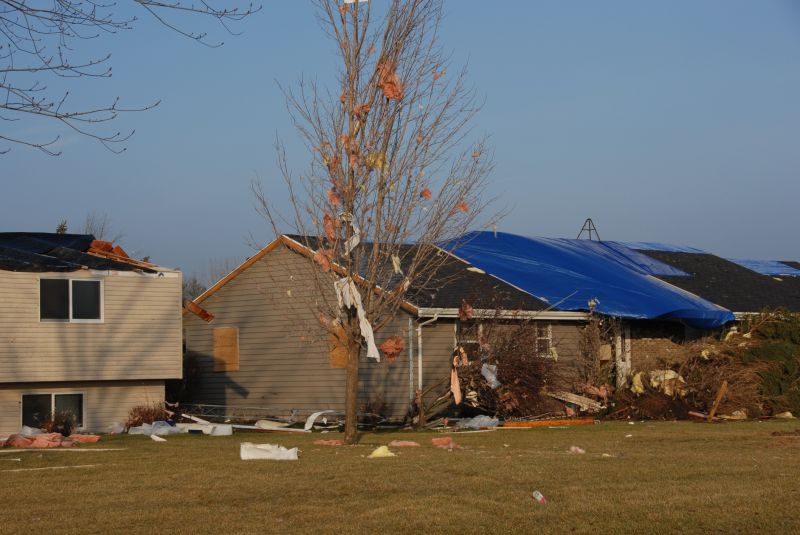
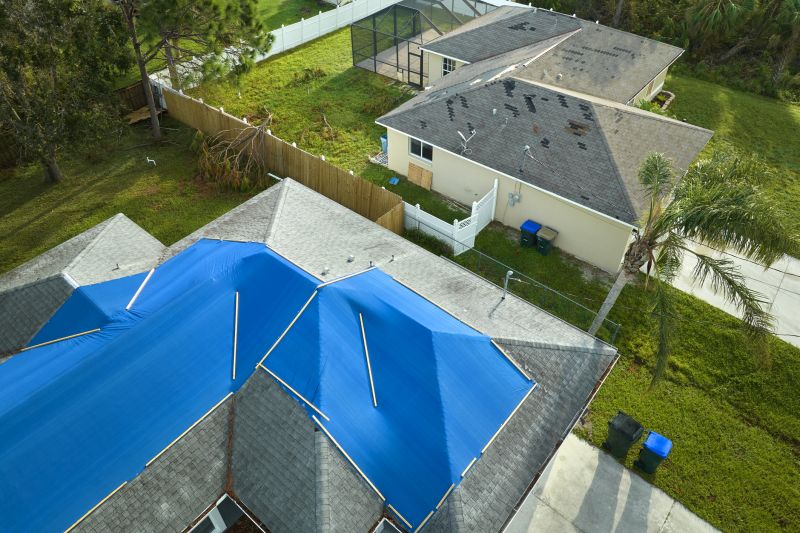

Storm damage roof tarping services involve the installation of a temporary protective cover over a damaged roof to prevent further harm from weather elements. When severe storms cause shingles to blow off, cracks to form, or the roof to sustain other types of damage, a tarp can provide immediate coverage. This quick solution helps keep rain, snow, and debris from entering the property, reducing the risk of additional interior damage and preventing water from seeping into the home or building. Local contractors who specialize in storm damage repairs often offer tarp services as an essential first step after a storm has affected a roof.
These services are particularly valuable in situations where a roof has been compromised but permanent repairs cannot be completed right away. For example, after a heavy storm or hail event, homeowners may notice missing shingles or visible damage that leaves the roof vulnerable. Installing a tarp offers a temporary barrier until a more comprehensive repair or replacement can be scheduled. This approach helps avoid further deterioration, such as leaks or structural issues, which can lead to costly repairs if left unaddressed. Storm damage roof tarping is a practical solution for safeguarding properties during emergency situations.
Many types of properties utilize storm damage roof tarping services, including residential homes, multi-family buildings, and commercial structures. Homes in areas prone to severe weather often rely on tarping as a quick response to storm-related damage. Commercial properties, such as retail stores or offices, may also need tarping to prevent business disruptions caused by roof leaks or structural concerns. Property managers and landlords frequently seek out these services to protect their investments and ensure the safety of occupants. Regardless of property size or type, a professional tarp installation can provide vital protection during critical recovery periods.
Homeowners and property owners should consider storm damage roof tarping services whenever they notice signs of storm-related damage or experience a sudden weather event that threatens their roof’s integrity. Common indicators include missing shingles, visible cracks, or debris on the roof following a storm. If water begins to leak inside the property or if the roof appears compromised, contacting local contractors for a temporary tarp can help mitigate further damage. These services are designed to provide immediate protection, giving property owners peace of mind until permanent repairs can be arranged.
The overview below groups typical Storm Damage Roof Tarping projects into broad ranges so you can see how smaller, mid-sized, and larger jobs often compare in Westmont, IL.
In many markets, a large share of routine jobs stays in the lower and middle ranges, while only a smaller percentage of projects moves into the highest bands when the work is more complex or site conditions are harder than average.
Smaller Repairs - Typical costs for minor storm damage tarp installations in Westmont range from $250-$600. Many routine jobs fall within this middle range, covering small to medium-sized roof sections or localized damage.
Moderate Projects - Projects involving larger sections or more complex tarp setups usually cost between $600-$1,500. These are common for homes needing temporary protection during ongoing repairs or severe weather events.
Large or Emergency Tarping - Larger, more urgent jobs such as extensive roof coverage or multiple-story buildings can reach $1,500-$3,000. Fewer projects push into this higher tier, often due to the scale and urgency of the damage.
Full Roof Tarping or Replacement - Complete roof tarping or full replacement estimates typically start around $3,000 and can exceed $5,000 for complex or extensive storm damage. These are less common but necessary for severe or widespread roof issues.
Actual totals will depend on details like access to the work area, the scope of the project, and the materials selected, so use these as general starting points rather than exact figures.
Emergency roof repair - local contractors often perform urgent repairs to fix storm-related damage and prevent further issues, similar to tarp installation for immediate protection.
Roof patching and sealing - professionals use similar tools and techniques to apply patches and seal leaks caused by severe weather conditions, ensuring temporary or permanent fixes.
Debris removal and roof cleaning - clearing fallen branches and debris from roofs requires safety equipment and planning akin to setting up storm damage tarps quickly and safely.
Gutter and drainage system repair - fixing or installing gutters to manage water flow involves planning and skills comparable to protecting roofs from storm water intrusion.
Storm damage assessment services - local experts evaluate the extent of roof and property damage, which is essential for determining the need for tarping and temporary protection.
Exterior siding repair - repairing or replacing damaged siding involves similar planning and materials handling as installing tarps to shield roofs from ongoing storm effects.
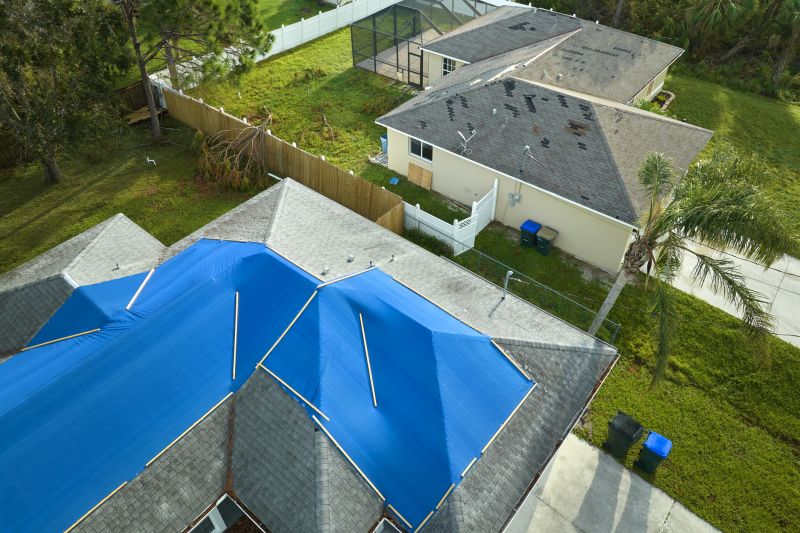
When selecting a contractor for storm damage roof tarping, it’s important to consider their experience with similar projects. Homeowners should look for service providers who have a proven track record of handling storm-related roof repairs and tarping in Westmont, IL, and nearby areas. Experienced local contractors will understand the unique challenges posed by weather conditions and building structures in the region, helping to ensure the job is done effectively and efficiently. Asking for references or examples of past work can provide additional insight into their familiarity with storm damage scenarios and their ability to deliver reliable results.
Clear written expectations are essential when comparing storm damage roof tarping services. Homeowners should seek detailed descriptions of the scope of work, materials used, and any warranties or guarantees offered. Having this information in writing helps prevent misunderstandings and provides a basis for evaluating whether a service provider’s approach aligns with the homeowner’s needs. It’s also helpful to clarify the process for addressing unforeseen issues or additional repairs that may arise during the project, ensuring everyone is on the same page before work begins.
Reputation and communication are key factors in choosing a dependable local contractor. Reputable service providers often have a history of positive interactions with previous clients, which can be verified through references or reviews. Good communication involves timely responses, transparency about the work process, and a willingness to answer questions and address concerns. Homeowners should prioritize service providers who demonstrate professionalism and clarity in their interactions, as these qualities often reflect their overall approach to customer service and project management. It’s important to remember that the site introduces homeowners to local options, but the actual work will be handled by trusted contractors in the community.
Property owners in Westmont, IL use Storm Damage Roof Tarping services for practical projects around their homes and businesses. This guide focuses on everyday jobs and straightforward project options.
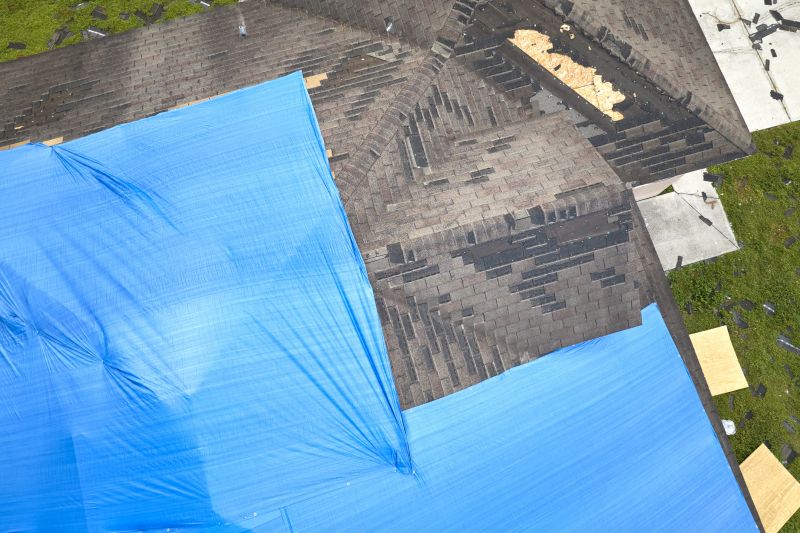
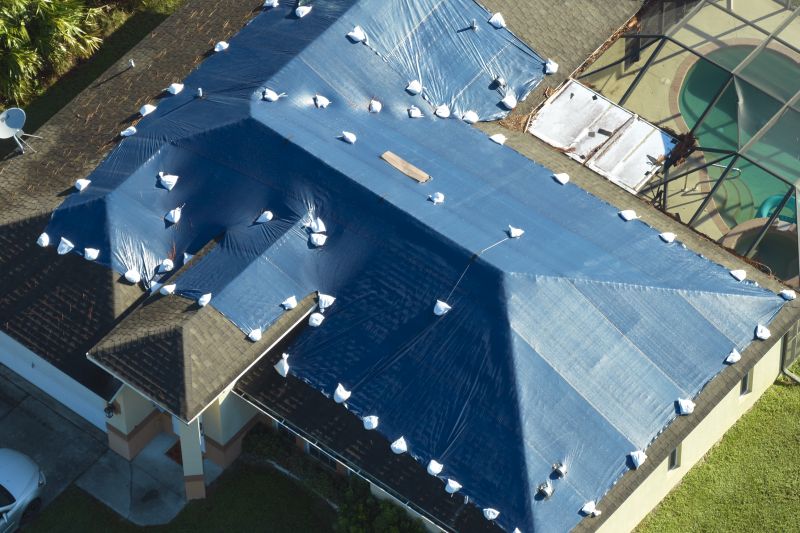
Storm damage roof tarping services are often needed after severe weather events, such as heavy winds or hail, that leave property owners in Westmont, IL with damaged or missing roof shingles. When a storm causes a leak or exposes the roof’s structure, local contractors can quickly provide temporary protection to prevent further water intrusion and interior damage. Property owners might seek out these services to safeguard their homes until permanent repairs can be scheduled, helping to minimize the impact of unexpected storm-related damage.
In addition, roof tarping can be a practical solution for homes that have experienced minor damage but are vulnerable to additional weather exposure. Whether a tree branch has fallen onto the roof or there are gaps from storm debris, local service providers can install tarps to cover vulnerable areas. This simple, effective step helps property owners in Westmont maintain the integrity of their roofs and avoid more costly repairs caused by ongoing exposure to the elements.
What is storm damage roof tarping? Storm damage roof tarping involves installing a protective cover over a damaged roof to prevent further water intrusion and minimize additional damage.
When should roof tarping be considered after a storm? Roof tarping is typically recommended as soon as possible after a storm if there are visible damages or leaks to prevent further weather-related harm.
How do local contractors determine the need for roof tarping? Contractors assess the extent of storm damage, looking for missing shingles, leaks, or structural issues that may require temporary protection through tarping.
What types of materials are used for storm damage roof tarping? Common materials include heavy-duty tarp fabrics like polyethylene or vinyl, which are durable and weather-resistant to provide effective coverage.
Can roof tarping be performed on all types of roofs? Most roof types can be tarped, but the method and materials used may vary depending on the roof’s design and material to ensure proper protection.
Emergency Storm Coverage - Property owners can quickly secure their roofs with tarps to prevent further water intrusion during storms. Local contractors can provide prompt tarping services to protect the interior of the building.
Temporary Roof Protection - After storm damage, tarping services can serve as a temporary barrier until permanent repairs are completed. Local service providers can help ensure the roof remains protected from additional weather exposure.
Preventative Measures - Homeowners in storm-prone areas can consider tarping as a precautionary step after minor damages to avoid worsening conditions. Local contractors can assist with assessing the roof’s condition and applying protective coverings.
Post-Storm Damage Control - Following a severe storm, property owners can rely on local pros to quickly cover any exposed roof areas, minimizing the risk of leaks and further deterioration until repairs are scheduled.
If you are thinking about Storm Damage Roof Tarping for a property in Westmont, IL, this guide is meant to help you understand the work, the typical project types, and how different options might fit your plans.
When you are ready, you can use the quote form on this page to share a few details about your project. From there, local pros can review the basics and respond with options that match what you have in mind.